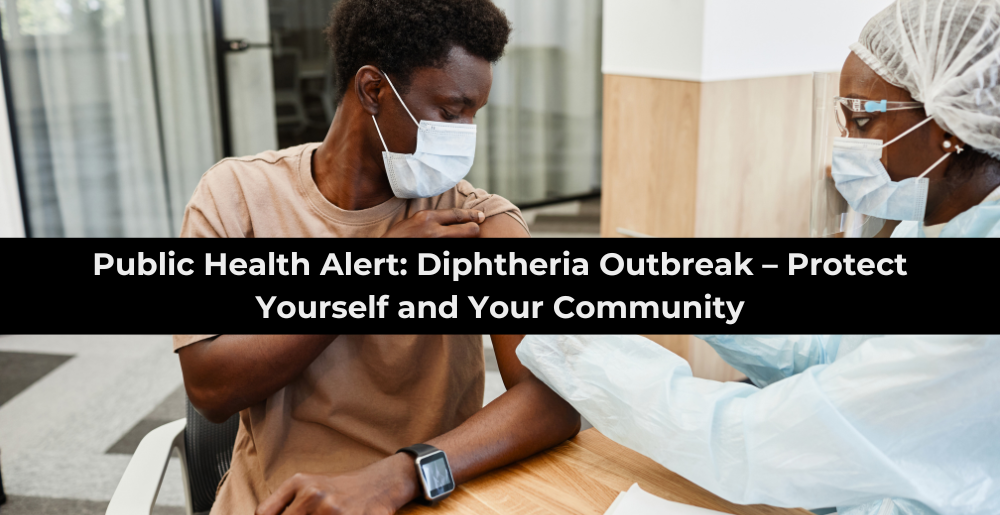
Diphtheria Outbreak: Symptoms, Prevention, and Vaccination | IHMS HMO
Diphtheria Outbreak: What You Need to Know
The recent resurgence of diphtheria, a highly contagious bacterial infection, poses a significant public health risk. Understanding the symptoms, prevention, and treatment is crucial to protect yourself and your community. This guide provides essential information about the diphtheria outbreak and how to stay safe.
What is Diphtheria?
Diphtheria is a serious infection caused by the bacterium Corynebacterium diphtheriae. It primarily affects the respiratory system, particularly the throat and nose. The bacteria release toxins that can damage vital organs, leading to severe complications and even death. Diphtheria infection spreads through:
- Respiratory droplets (coughing, sneezing)
- Direct contact with infected individuals
- Contaminated objects
Diphtheria Symptoms: Recognizing the Signs
Early detection of diphtheria symptoms is critical for effective treatment. Common signs include:
- Severe sore throat and difficulty swallowing
- Thick, gray or white coating on the tonsils and throat (pseudomembrane)
- Swollen lymph nodes in the neck (bull neck)
- Fever and chills
- Weakness and fatigue
- Breathing difficulties (in severe cases)
If you or someone you know exhibits these symptoms, seek immediate medical attention.
Diphtheria Prevention: Protecting Yourself and Others
Diphtheria prevention primarily relies on vaccination and hygiene practices.
- Diphtheria Vaccination:
- The DTP vaccine (diphtheria, tetanus, and pertussis) is highly effective.
- Children should receive the complete vaccination series.
- Adults require booster shots every 10 years.
- Search for “DTP Vaccine” or “Diphtheria Vaccine” for local availability.
Hygiene Practices:
-
- Frequent handwashing with soap and water.
- Covering coughs and sneezes.
- Disinfecting frequently touched surfaces.
Avoid Contact:
-
- Limit close contact with individuals showing symptoms.
- Ensure infected individuals are isolated and receive prompt treatment.
Prompt Medical Care:
-
- Seek immediate medical attention if diphtheria is suspected.
- Early treatment with antibiotics and antitoxin is crucial.
IHMS HMO: Your Partner in Diphtheria Prevention and Care
At IHMS HMO, we prioritize your health and well-being. Our comprehensive healthcare services include:
- Accessible diphtheria vaccination programs.
- Preventive care and health education.
- Expert medical support for diagnosis and treatment.
- A strong network of healthcare providers.
Contact IHMS HMO today to learn more about our services and how we can help protect you and your family from diphtheria.
Conclusion
Diphtheria is a preventable disease. By staying informed, getting vaccinated, and practicing good hygiene, we can effectively combat the current outbreak. Share this information to raise awareness and safeguard your community.